A Small Palette for a Civic Square
A small palette for a civic square can make its identity easier to recognise. Learn how to choose compatible finishes, inspect samples and plan upkeep.

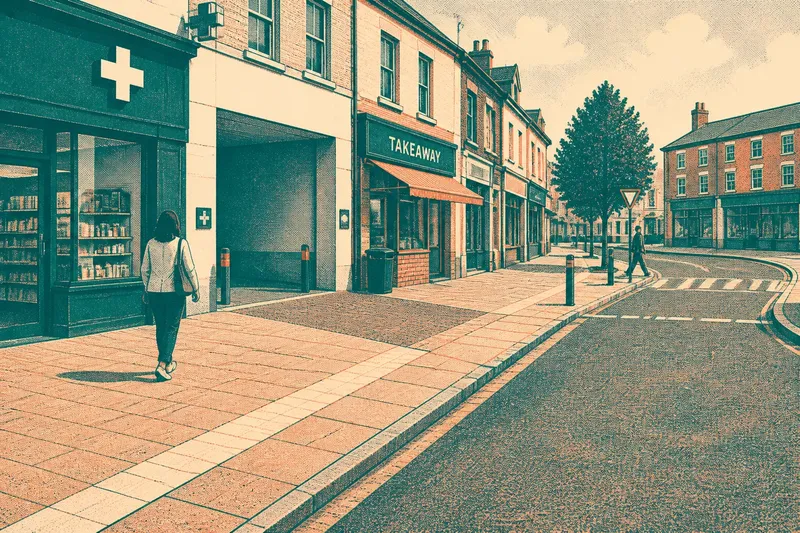
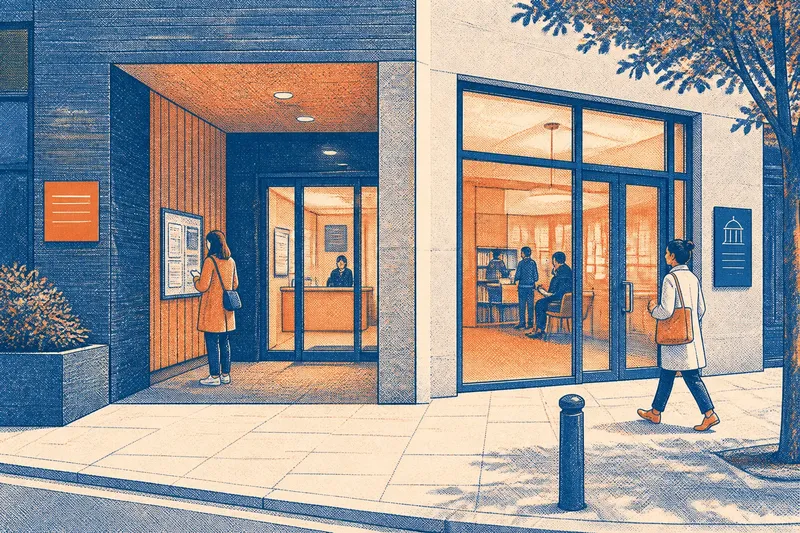
A small palette for a civic square can give the place a recognisable character without turning every surface into a feature. Start with the stone, brick, metal and timber already present in nearby façades; choosing a few compatible materials can help a new square feel rooted in its street rather than assembled from a catalogue.
What gives a square a coherent material palette?
Look at the buildings around the square before choosing new finishes. Red brick, pale limestone, painted steel or weathered timber each brings a different visual weight, and a palette that responds to those surroundings is more likely to feel at home. It need not copy the architecture: a carefully chosen contrast can make a civic space feel distinct while still belonging to its setting.
Think in material roles rather than collecting attractive samples. A ground surface, a seat, a planter and a handrail all meet people differently, so their finishes do not need to match. They should, however, look as if they have been considered together.
Say a square beside a red-brick library already has dark painted railings and pale stone steps. If its designer chooses a related warm-toned paving, keeps the railing finish, and uses timber only for touch surfaces, the resulting palette connects the new work to the library without making every element identical.
How do you compare materials before specifying them?
Samples can look striking under a showroom lamp and entirely different outdoors. Ask for physical samples of paving, metal coatings and timber finishes, then view them beside the building materials they will meet. Check them in sun, shade and after rain; the colour, texture and sheen may shift with the light.
- Check paving beside the existing façade; if the tones fight, choose a more compatible sample instead.
- Check a metal coating against nearby railings; if it reads as a separate family, match the established finish or select a deliberate contrast.
- Check timber grain and treatment in outdoor light; if it looks visually busy beside patterned masonry, use a calmer timber finish or another material.
- Check how a sample appears when wet; if glare or a strong colour shift distracts from the setting, ask for a less reflective alternative.
- Check whether adjoining materials form a clean junction; if the edges look awkward together, revise the detail or select a compatible edge finish.
- Check what the supplier says about cleaning and repairs; if routine care is not practical for the site team, choose a finish with a manageable maintenance approach.
Imagine a project team comparing three paving samples beside a civic hall: a cool grey stone, a warm buff stone and a dark concrete unit. The team views each in sun and shade, then places the surviving samples beside the hall’s pale masonry and dark railings. If the grey looks harsh and the dark unit absorbs the setting, the buff stone becomes the preferred candidate; if it clashes with the masonry once wet, the team returns to the alternatives rather than treating the first choice as settled.
Will the materials age well together?
Materials change at different speeds. Timber can fade, metal coatings can weather, and stone can gather marks from rain and foot traffic. Consider how those changes will sit beside one another, rather than expecting the square to keep its opening-day appearance.
Ask how each finish is cleaned, repaired or replaced, and whether later work can be made to blend with the original. A paving unit that can be lifted without disturbing its neighbours may be easier to maintain; a finish that needs specialist care may be less suitable if the site team lacks that capacity. For product-specific advice, consult the supplier and the relevant maintenance professionals.
What questions help you assess a palette?
Which materials already define the surrounding streetscape?
Identify the masonry, metals and timber visible from the square before selecting new finishes. If one material clearly anchors the setting, echo it in a limited way; if the surroundings are mixed, use a restrained palette that does not compete with every façade.
How will the finishes look in changing light?
Compare physical samples in sun, shade and wet conditions, since a surface can change in colour or sheen. If a finish becomes conspicuously reflective or loses its intended distinction, choose a calmer alternative.
Can the site team maintain the chosen materials?
Check the supplier’s cleaning and repair guidance against the people and equipment available for routine care. If the specified finish demands work the team cannot reasonably provide, revise the selection or agree on a suitable maintenance arrangement with qualified professionals.
Do the joints and edges look intentional?
Inspect where paving meets a façade, planter or metal fitting, because those transitions affect the overall finish. If a junction looks improvised, clarify the edge detail before approving the palette.
How can you keep a palette deliberately small?
List the materials already present, then identify where a new finish is genuinely needed. Keep only samples that have a clear role and work beside the surrounding architecture; remove options that repeat an existing function without adding a useful distinction.
For a small palette for a civic square, judge each choice by its relationship to the place and its upkeep, not by how memorable it looks alone. One considered surface, paired with compatible details and a realistic care plan, can give a square a lasting identity without asking every object to compete for attention.